

The Role of Luck in Gambling
Luck is an integral part of the gambling experience, especially within the vibrant atmosphere of a casino. Many players enter casinos with the hope that luck will be on their side, believing that fortune can tilt the odds in their favor. This belief is often nurtured by personal stories of unexpected wins or thrilling near misses that leave players feeling as though they are on a lucky streak. Players seeking a fun experience may also explore an online casino that accept neosurf where luck can play a crucial role in their games. In games of chance, such as slots, roulette, and dice games, luck appears to dominate, overshadowing other factors like skill and strategy.
However, it is crucial to understand that while luck can create exhilarating moments, the odds are meticulously calculated by casinos to secure their profitability. Each game features a house edge, which ultimately ensures that, over time, casinos reap more wins than the players. This mathematical reality underscores the duality of luck; it can provide a momentary thrill, but it can never be completely relied upon for consistent success. The interplay between luck and the established odds serves as a reminder that while players may feel fortunate, the casino’s structure is designed to maintain an advantage.
Moreover, the psychology of luck plays a significant role in how players perceive their experiences at the casino. Many gamblers exhibit cognitive biases, such as the tendency to remember their lucky moments more vividly than their losses. This selective memory creates an illusion of luck’s influence on their overall casino success. Consequently, players may chase after luck, neglecting the importance of making informed decisions and employing strategic approaches, which can ultimately hinder their long-term outcomes.
Skill vs. Chance: Finding the Balance
The relationship between skill and chance is a fundamental aspect of gambling that shapes how players approach different casino games. While certain games rely predominantly on luck, others, like poker, incorporate considerable elements of skill. In poker, for example, players must not only understand the odds but also develop strategies to outsmart their opponents. This skillful play can often lead to more consistent wins, illustrating how a player’s expertise can sometimes outweigh the role of luck.
On the flip side, games such as baccarat and slot machines are primarily driven by random chance, with outcomes that are often unpredictable. Although players can implement strategies like bankroll management and prudent game selection, luck remains a critical factor influencing their success in these games. Recognizing which games favor skill over chance is essential for players, as this understanding can guide their expectations and promote responsible gambling behaviors.
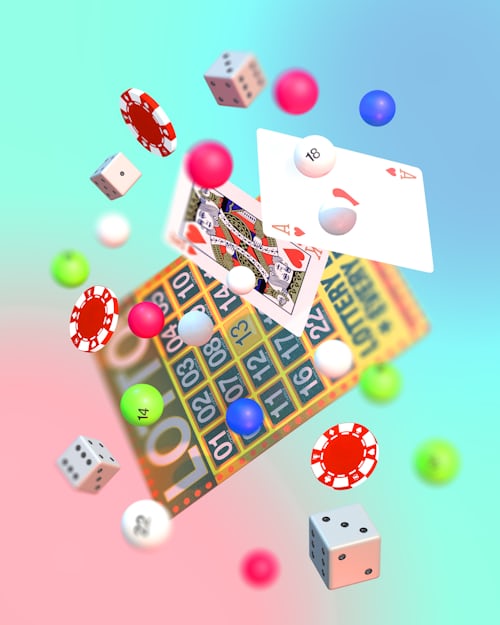
Ultimately, finding the right balance between luck and skill is vital for enhancing the gambling experience. Players should select games that align with their strengths, allowing them to leverage their skills while accepting the unpredictable nature of luck in chance-based games. This balance fosters a mindset that supports both informed decision-making and realistic expectations, creating a more holistic approach to casino play.
The Impact of Psychological Factors in Gambling
The psychological elements of gambling are intricately linked to the concept of luck. Each player approaches the casino with a unique mindset, which can significantly shape how they perceive luck and their overall success. For instance, a player who enters the casino feeling optimistic may perceive themselves as luckier and take bolder risks, while someone burdened by stress might make more cautious or erratic decisions. This variability exemplifies how psychological factors can influence gambling outcomes just as much as luck can.
Additionally, the belief in “hot” and “cold” streaks serves as a classic illustration of how psychological factors can skew perceptions of luck. Many players develop a conviction that specific machines or tables are “due” for a win based on their past performance, leading to a self-fulfilling prophecy. This belief can attract more players to a particular slot machine or table, reinforcing the notion that certain areas of the casino are inherently lucky, despite the randomness that governs these games.
Understanding these psychological influences is essential for players aiming to maintain a healthy perspective during their gambling experiences. By balancing excitement with rational thought, players can approach their time at the casino with a more grounded mindset. This recognition that luck is merely one component of the larger picture allows players to make more informed choices and enjoy their experiences without succumbing to the unpredictable nature of chance.
The Influence of Casino Design and Environment
The design and environment of a casino significantly affect a player’s perception of luck and overall success. Casinos are meticulously crafted to evoke excitement and anticipation, employing vibrant colors, engaging sounds, and strategic layouts that encourage players to test their luck. This carefully curated atmosphere can generate a euphoric feeling that makes players feel luckier, potentially influencing their betting behavior and decision-making.

Furthermore, witnessing nearby winners can profoundly impact a player’s mindset. When someone hits a jackpot, it may create an illusion that luck is in the air, prompting other players to join in on the excitement. This social aspect of gambling reinforces the psychological effects of luck, as players tend to align their own experiences with those perceived lucky moments from others around them, further perpetuating the myth of luck in gaming.
However, it is crucial for players to recognize that these casino environments can also lead to impulsive decisions and a distorted understanding of luck. Relying solely on feelings of luck, without acknowledging the underlying risks, can result in financial difficulties. By understanding the psychological tactics employed by casinos and maintaining a balanced approach, players can enhance their enjoyment while safeguarding against the pitfalls of an overly optimistic view of luck.
Your Path to Informed Casino Play
For players looking to enhance their casino experiences, understanding the interplay between luck, skill, and psychological factors is essential. A well-rounded approach involves not only educating oneself about the games but also practicing responsible gambling and developing a strategy that accounts for both chance and skill. By doing so, players can align their expectations with the realities of the casino environment and their personal capabilities.
Moreover, engaging with supportive communities and resources can provide valuable insights into navigating the complexities of gambling. Many enthusiasts share their experiences and strategies in various forums, creating an environment where players can learn from one another. This exchange of knowledge helps demystify the role of luck and highlights diverse approaches to ensuring a more enjoyable and potentially successful gambling experience.
Ultimately, while luck can undeniably influence casino success, adopting a balanced perspective that integrates skill, psychological awareness, and an understanding of the gaming environment can lead to a more rewarding experience. Acknowledging that luck is just one facet of the overall casino experience allows players to relish the thrill of the game while responsibly navigating the inherent risks associated with gambling.